HSE University Strategic Development

Research & Expertise

Supercomputers as Superheroes: How High-Performance Computing Is Saving the World

Supercomputers as Superheroes: How High-Performance Computing Is Saving the World
Modern supercomputers can perform more than a trillion calculations per second. This immense capacity enables researchers to address problems that were previously intractable. At the XXVI April International Academic Conference, Ilias Kotsireas, a professor at Wilfrid Laurier University, spoke about the potential of high-performance computing in fields such as weather and climate modelling, astrophysics, and medicine. 

XXVI April International Academic Conference Kicks Off at HSE University

XXVI April International Academic Conference Kicks Off at HSE University
The conference programme covers five research topics: economics; human capital and society; instrumental methods and models; foresight research; and international research. Hundreds of scientists from around the world will take part in the conference.

HSE Scientists Uncover Mechanism Behind Placental Lipid Metabolism Disorders in Preeclampsia

HSE Scientists Uncover Mechanism Behind Placental Lipid Metabolism Disorders in Preeclampsia
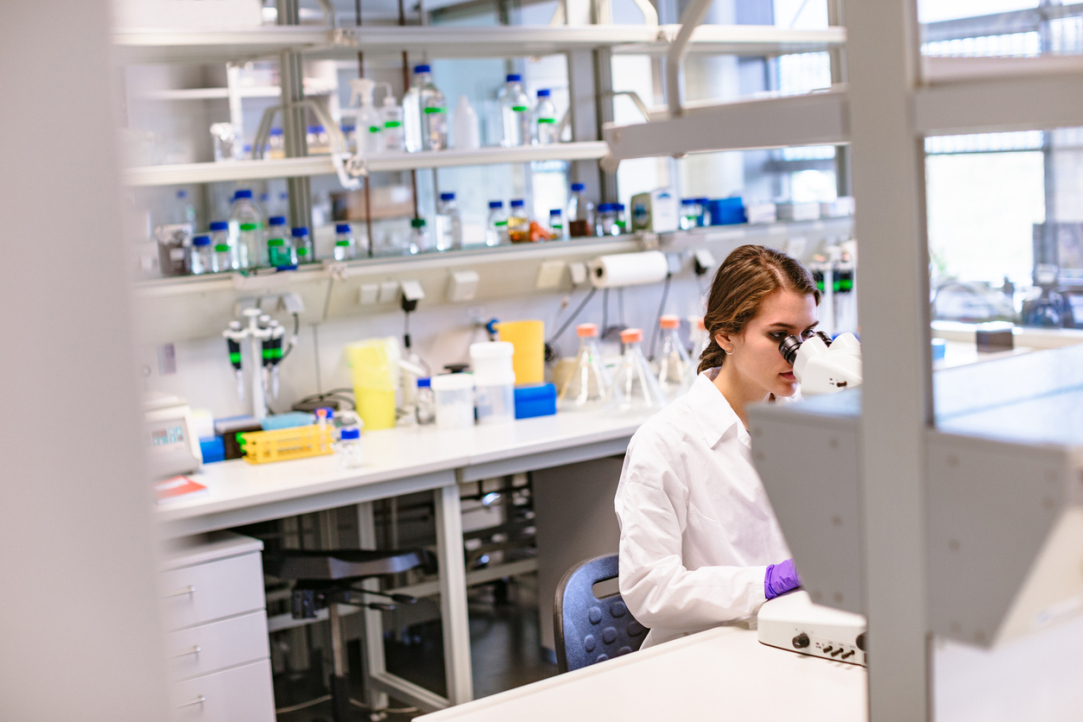
Scientists at HSE University have discovered that in preeclampsia—one of the most severe complications of pregnancy—the placenta remodels its lipid metabolism, reducing its own cholesterol synthesis while increasing cholesterol transfer to the foetus. This compensatory mechanism helps sustain foetal nutrition but accelerates placental deterioration and may lead to preterm birth. The study findings have been published in Frontiers in Molecular Biosciences.

HSE Experts Reveal Low Accuracy of Technology Forecasts in Transportation

HSE Experts Reveal Low Accuracy of Technology Forecasts in Transportation
HSE researchers evaluated the accuracy of technology forecasts in the transportation sector over the past 50 years and found that the average accuracy rate does not exceed 25%, with the lowest accuracy observed in aviation and rail transport. According to the scientists, this is due to limitations of the forecasting method and the inherent complexities of the sector. The study findings have been published in Technological Forecasting and Social Change.

Wearable Device Data and Saliva Biomarkers Help Assess Stress Resilience

Wearable Device Data and Saliva Biomarkers Help Assess Stress Resilience
A team of scientists, including researchers from HSE University, has proposed a method for assessing stress resilience using physiological markers derived from wearable devices and saliva samples. The participants who adapted better to stress showed higher heart rate variability, higher zinc concentrations in saliva, and lower potassium levels.  The findings were published in the Journal of Molecular Neuroscience.

Scientists from HSE University-St Petersburg Present Their Research at the Largest Conference on Computational Linguistics in Morocco

Scientists from HSE University-St Petersburg Present Their Research at the Largest Conference on Computational Linguistics in Morocco
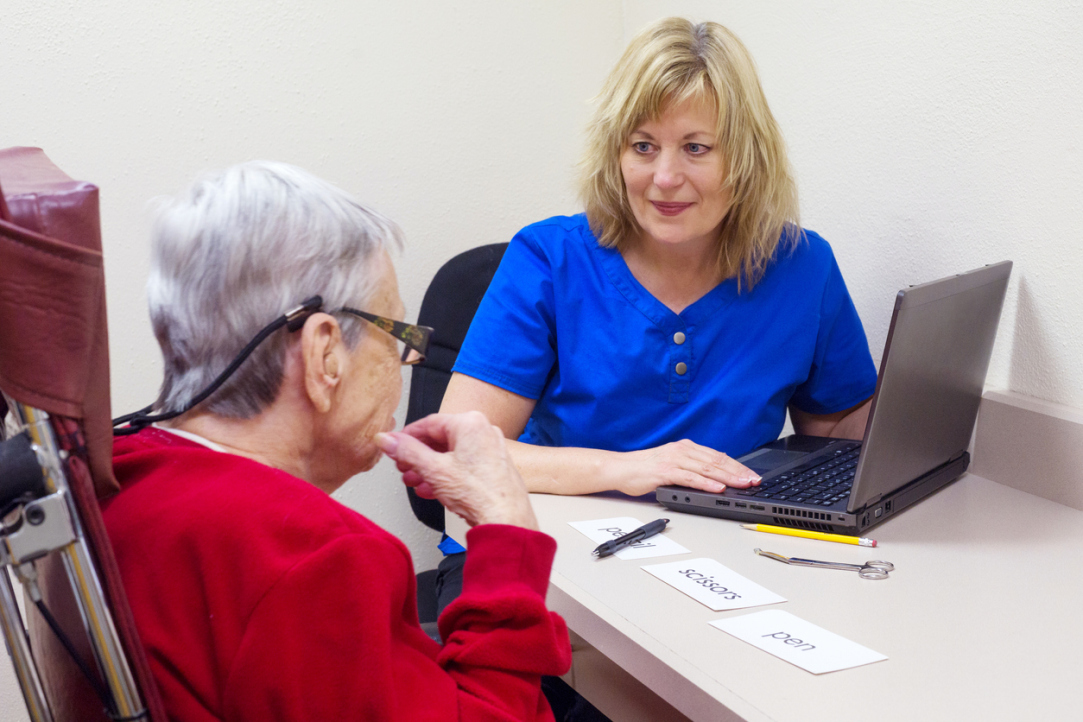
At the international conference on computational linguistics (EACL), the team from the Linguistic Convergence Laboratory at HSE University-St Petersburg presented a unique dataset for neurorehabilitation of patients with the speech disorder—aphasia.

HSE Researchers Propose New Method of Verbal Fluency Analysis for Early Detection of Cognitive Impairment

HSE Researchers Propose New Method of Verbal Fluency Analysis for Early Detection of Cognitive Impairment
Researchers from the HSE Center for Language and Brain and the Mental Health Research Centre have proposed a new method of linguistic analysis that enables the distinction between normal and pathological ageing. Using this approach, they showed that patterns in patients’ word choices during verbal fluency tests allow clinicians to more accurately differentiate clinically significant impairments from subjective memory complaints. Incorporating this type of analysis into clinical practice could improve the accuracy of early dementia diagnosis. The results have been published in Applied Neuropsychology: Adult.

HSE University Researchers Analyse Education Policy in Fifty Countries

HSE University Researchers Analyse Education Policy in Fifty Countries
By 2030, the global education system will need 44 million new teachers. Schools have already started rehiring retired teachers and issuing licenses for accelerated programmes. Experts from the HSE University Institute of Education have analysed the educational policies of almost 50 countries and published the report ‘World Education Policy—2025.’

Researchers from HSE and Iran University of Science and Technology Study Intellectual Resources

Researchers from HSE and Iran University of Science and Technology Study Intellectual Resources
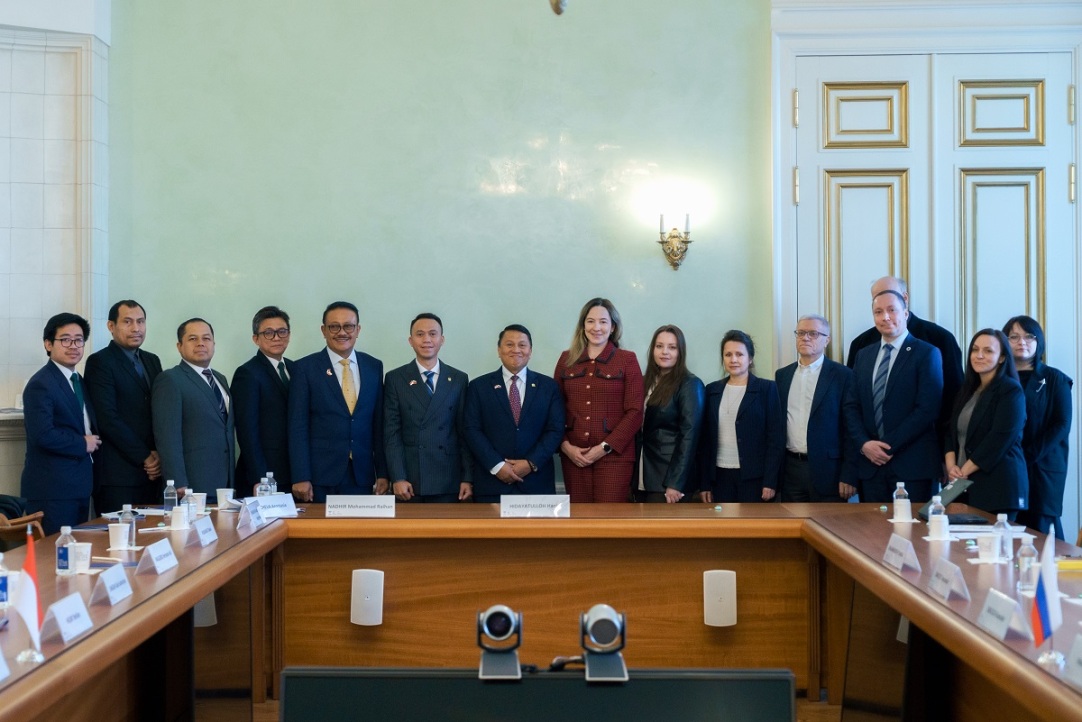
In February 2026, the International Laboratory of Intangible-Driven Economy (IDLab) and Iran University of Science and Technology (IUST) held a joint seminar as part of the project ‘Internationalisation of Companies from Developing Countries: The Role of Intellectual Resources in Response to Exogenous Shocks.’ The project has been implemented as part of the ‘International Academic Cooperation of HSE University’ initiative.

Next-Generation Cardiology: AI, Genetics, and Personalised Medicine

Next-Generation Cardiology: AI, Genetics, and Personalised Medicine
More than 400 specialists from Russia and other countries participated in the 'Genetics and the Heart' Congress hosted by HSE University. Experts discussed the latest advances in clinical and molecular cardiology, new approaches to managing rare diseases, challenges in genome editing, and the role of artificial intelligence in interpreting medical and genetic data. A central theme of the congress was the practical integration of genetic knowledge into routine clinical practice.