HSE University Strategic Development

Tag "strategic projects"

New Development by HSE Scientists Helps Design Reliable Electronics Faster at a Lower Cost

New Development by HSE Scientists Helps Design Reliable Electronics Faster at a Lower Cost
Scientists from HSE MIEM have developed a new approach to modelling electrothermal processes in high-power electronic circuits on printed circuit boards (PCB). The method allows engineers to quickly and accurately predict how electronic components heat up during operation, helping prevent overheating and potential failures. The results have been published in Russian Microelectronics.

HSE University and Moscow DIT Partner to Advance 5G and 6G Networks

HSE University and Moscow DIT Partner to Advance 5G and 6G Networks
The Moscow Department of Information Technology and HSE University have signed a cooperation agreement in the field of innovative development of the capital’s IT infrastructure. The parties agreed on joint research into modern and promising communication technologies, including 5G and 6G, as well as AI, the Internet of Things, and other smart city technologies.

HSE University Presents Research Results at AI Conference in Oman

HSE University Presents Research Results at AI Conference in Oman
In April 2026, the International Conference on Intelligent Systems and Artificial Intelligence Applications (ISAA 2026) was held at the University of Nizwa in the Sultanate of Oman. The event was co-organised by HSE University, the University of Nizwa, and the University of Technology and Applied Sciences–Ibri. Researchers from HSE University were among the key speakers at the conference.

HSE Seeks New Ideas for AI Agents: Initiative Competition Launched

HSE Seeks New Ideas for AI Agents: Initiative Competition Launched
HSE University is inviting researchers and lecturers to present concepts for new digital products based on artificial intelligence. The best projects will receive expert and technological support. Applications are open until December 19, 2025.

New Science: How Early-Career Researchers Reach New Heights

New Science: How Early-Career Researchers Reach New Heights
In the context of increasing global competition, countries arestriving to ensure technological sovereignty. Those who can ensure economic development and concentrate intangible assets and human capital are emerging as leaders. The growing demand for qualified staff leads to an increase in the role of universities and the demand for early-career scientists. The challenges and opportunities for prospective specialists in the scientific community were discussed at the ‘StratPro Platform’ strategic session at HSE University.

Exploring Research Prospects and Collaboration Opportunities: Discussion of Strategic Projects Held at HSE University

Exploring Research Prospects and Collaboration Opportunities: Discussion of Strategic Projects Held at HSE University
On June 26 and 27, HSE University at Pokrovka hosted a discussion of potential partnerships between the university's research teams and strategic projects under the Priority 2030 programme. During the two-day session, the heads of strategic projects presented the main areas of their ongoing research, highlighted some of the key results achieved, and shared their vision for involving new researchers in the projects.

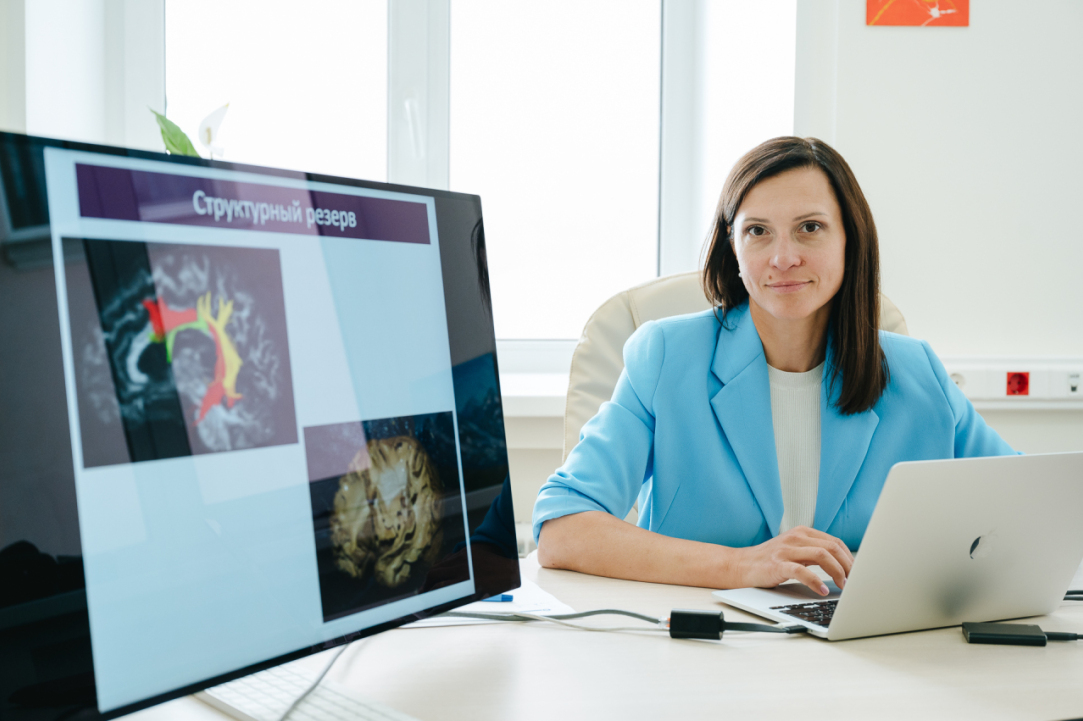
'While it May Sound Futuristic, It Holds Great Promise': Olga Dragoy Shares Her Thoughts on Language Function Restoration and the Future of Neurotechnology

'While it May Sound Futuristic, It Holds Great Promise': Olga Dragoy Shares Her Thoughts on Language Function Restoration and the Future of Neurotechnology
In the spring of 2023, the fifth strategic project of the Priority 2030 programme, 'Human Brain Resilience: Neurocognitive Technologies for Adaptation, Learning, Development and Rehabilitation in a Changing Environment,' was launched at HSE University. The strategic project brings together researchers from all campuses of HSE University. In her interview with the HSE News Service, Olga Dragoy, head of the strategic project and Director of the HSE Centre for Language and Brain, shares an overview of the advanced technologies neuroscientists are creating today, the underlying inspiration driving these efforts, and the operational dynamics of interdisciplinary applied projects.

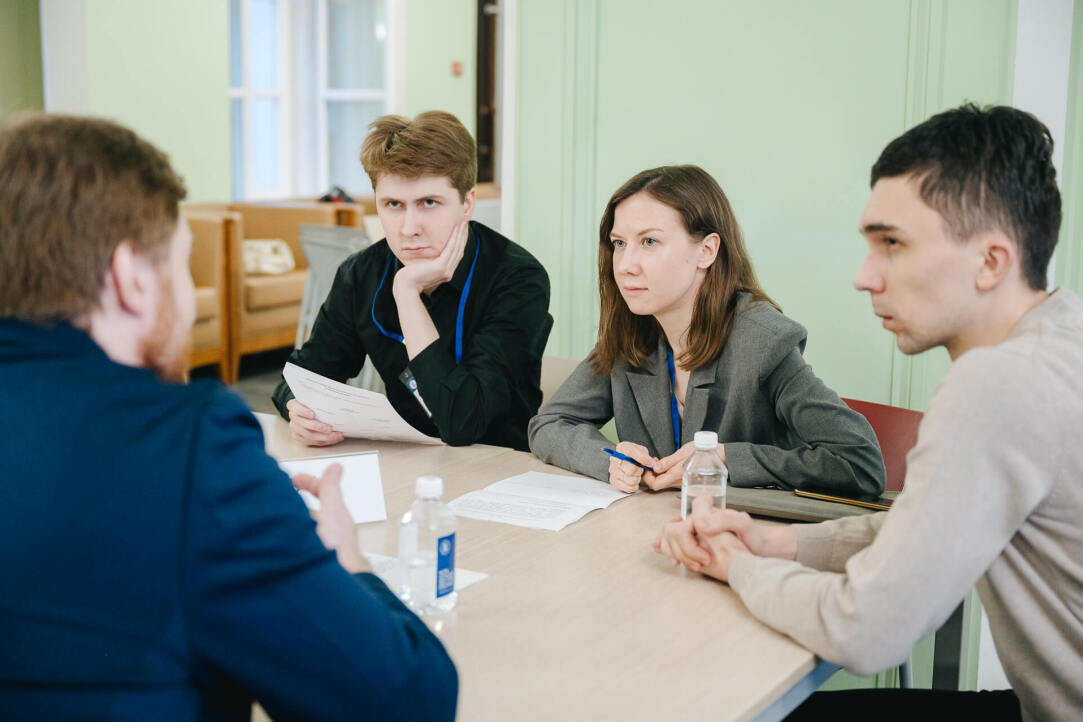
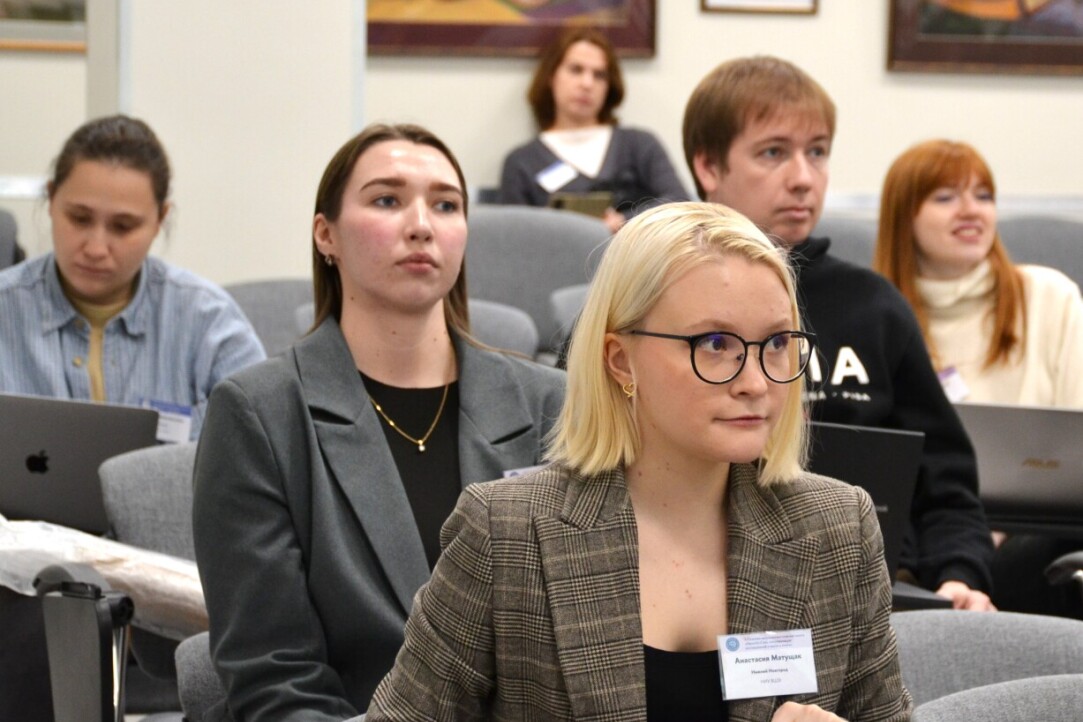
‘It Was Great to Look at Scientific Achievements through the Eyes of a Journalist, not a Scientist’

‘It Was Great to Look at Scientific Achievements through the Eyes of a Journalist, not a Scientist’
HSE University in Nizhny recently hosted the 2nd Autumn Neuro-linguistic School ‘NeuroSciCom: Popularising Language and Brain Studies’ for scientists and students at the HSE Centre for Language and Brain Studies in Nizhny Novgorod. The school was held as part of the 'Human Brain Resilience: Neurocognitive Technologies for Adaptation, Learning, Development and Rehabilitation in a Changing Environment' Strategic Project of the Priority 2030 programme.

Project Team of ‘Success and Self-Sustainability of the Individual in a Changing World’ Wins Russian Science Foundation Grant

Project Team of ‘Success and Self-Sustainability of the Individual in a Changing World’ Wins Russian Science Foundation Grant
Researchers from HSE University will receive funding from the Russian Science Foundation to study such forms of student employment as freelancing, self-employment, and entrepreneurship, all of which have been actively developing in recent years. The research will shed light on the new opportunities and challenges encountered by students and early-career specialists in the labour market. It will also aid in the development of effective strategies for their successful adaptation and development.

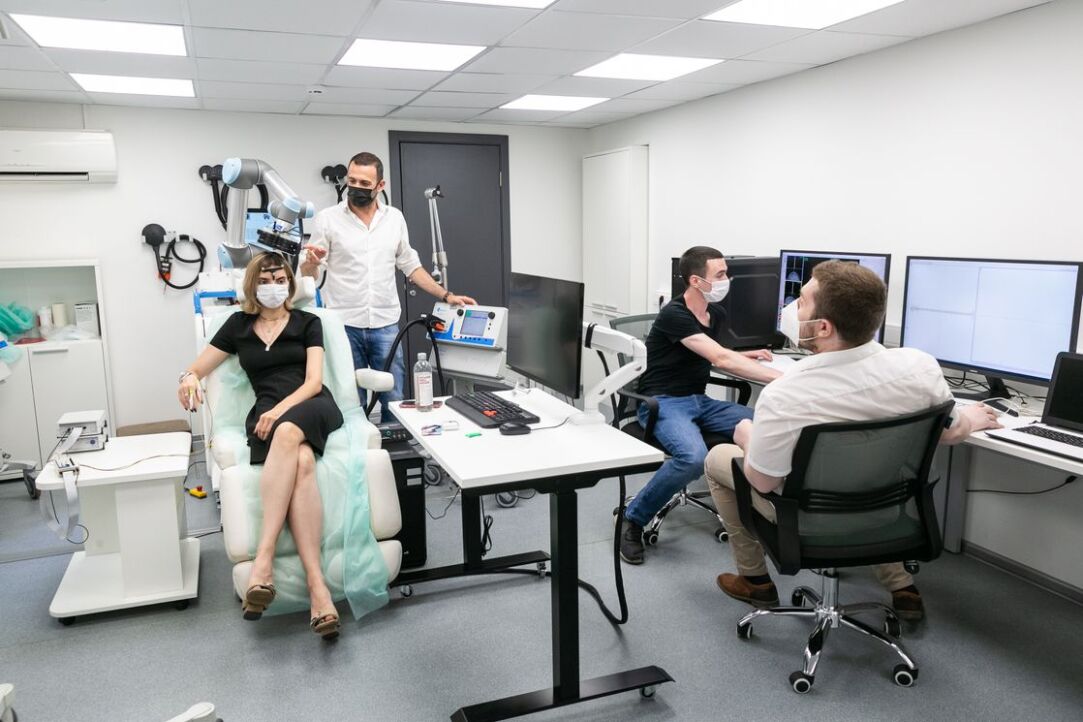
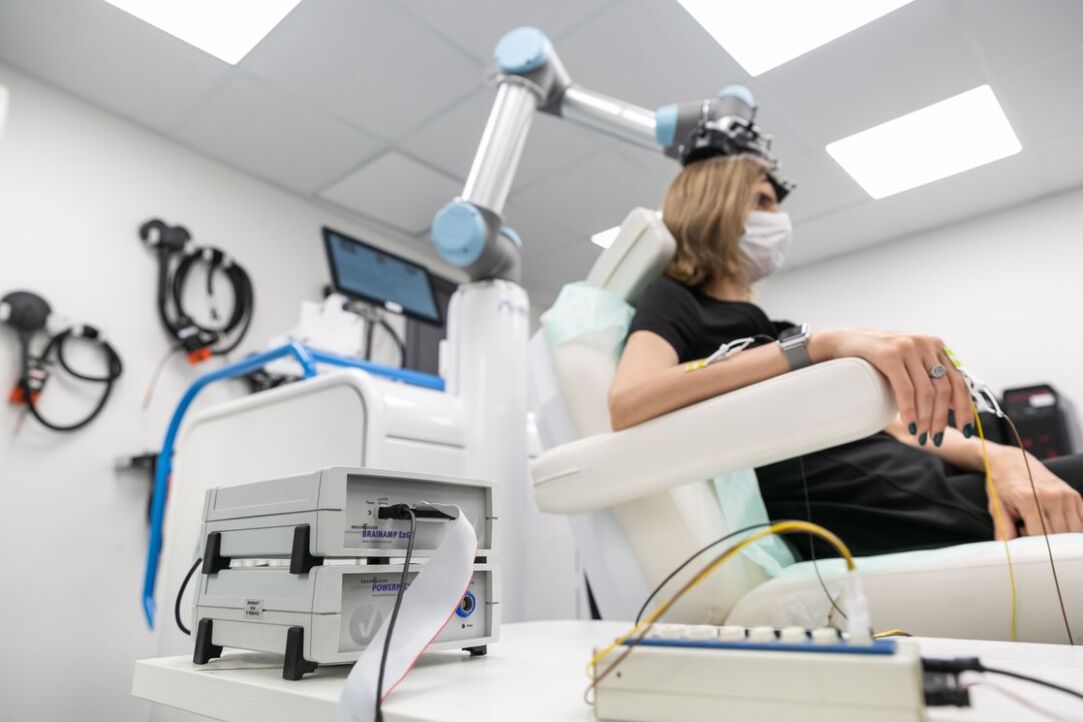
‘We Are Developing Technologies to Support People and Strengthen the Intellect’

‘We Are Developing Technologies to Support People and Strengthen the Intellect’
HSE News Service spoke to Director of the Institute of Cognitive Neurosciences, Head of the Centre for Cognition and Decision Making at HSE University, Anna Shestakova about the achievements and goals of the new HSE University’s strategic project ‘Human Brain Resilience: Neurocognitive Technologies for Adaptation, Learning, Development, and Rehabilitation in a Changing Environment’.
1 2